

Unique’s classes are growth-by-level classes
A complete, parent-friendly overview for Grades 1–4 (2nd Campus)
0) One-sentence summary
At Unique English (2nd Campus), we do not teach by fixed “grade-level classes.”
We teach by each child’s current level, then keep improving through a clear loop: diagnose → assign → teach → give feedback → re-assign.
1) Timetable
5 days a week
60 minutes per class
2:20–3:20 / 3:20–4:20
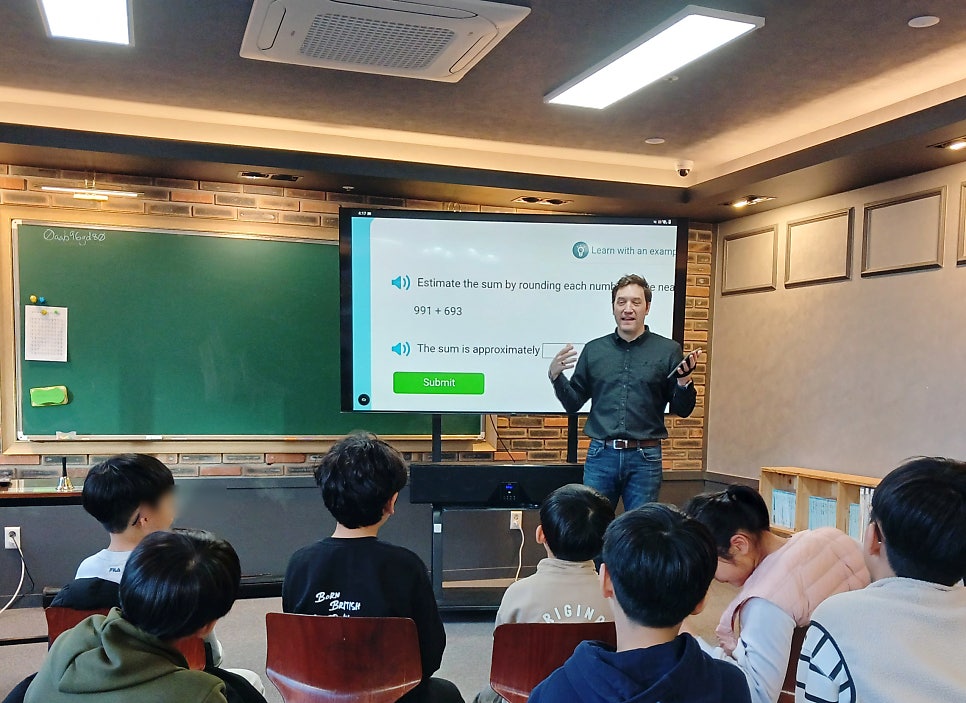
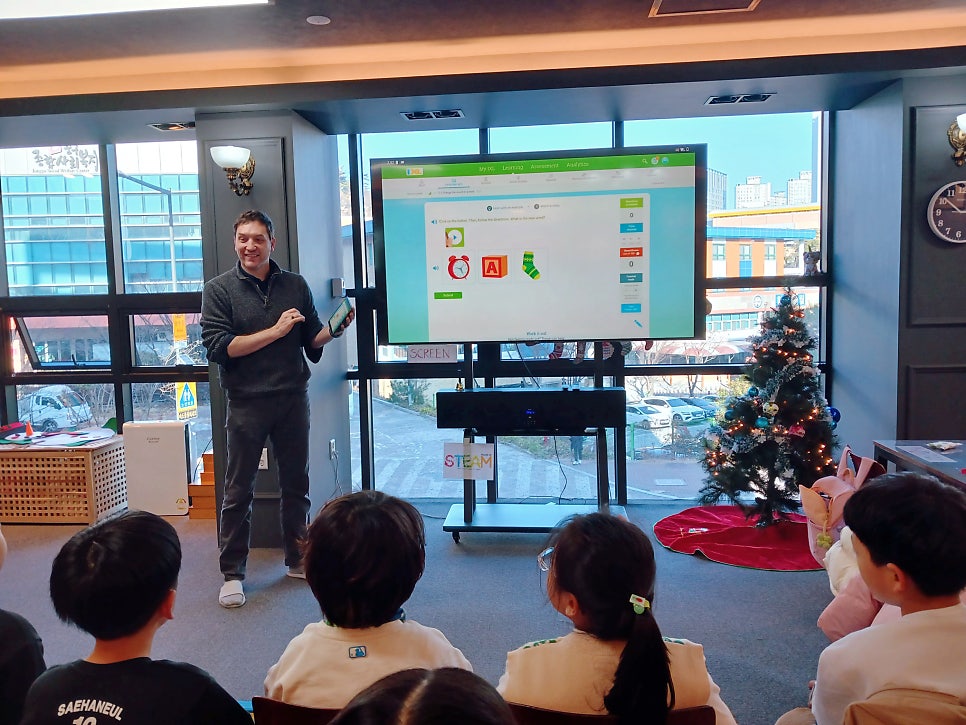
Even when students are in the same time slot, they are not all doing the same work. Each child receives a level-appropriate mission and materials.
2) Why “one test paper + fixed class placement” doesn’t work well in Grades 1–4
From Grade 1 to Grade 4, children’s English ability can vary widely because of differences in:
English exposure at home and in daily life
reading experience
speaking experience
study habits and development speed
If we force everyone into the same textbook and pace, some children feel it is too easy (growth stops), while others feel it is too hard (confidence and focus drop).
If placement becomes only about scores, children can start comparing themselves, which may negatively affect classroom attitude and social interaction.
So at Unique, tests are not used to “label” children. We use assessment as a simple indicator to help us set the right learning plan. The real progress comes from what the child does in class, plus feedback and adjustment.
3) What we follow: feedback-based learning, not score-based learning
Many modern school systems emphasize learning through ongoing feedback (formative assessment). The idea is simple:
Don’t only measure results.
Use feedback during learning to guide the next step.
Help students learn to check their own learning (self-check / self-assessment).
Unique applies this approach in a practical way for after-school learning.
4) How Unique’s level system works
1. We break English into clear areas
Instead of calling a child “good” or “weak,” we check separate skills, for example:
Reading: accuracy / fluency / understanding
Vocabulary: retention / using words in sentences
Sentences: basic patterns / expanding sentences
Expression: speaking confidence / clarity / logical speaking
Study habits: consistency / correcting mistakes / self-check skills
2. Level is not ranking
A “level” at Unique is not a label. It is a learning prescription—a way to decide what the child needs next.
Our goal is not “move up fast,” but move up without gaps.
5) We assign learning materials very specifically (without focusing on program names)
Unique uses three types of learning tools to make assignment and management more accurate and professional. The key is not the tool’s name, but its role.
1. Diagnostic tool (skill-by-skill)
Shows what the child can and cannot do in detail
Helps us assign the next tasks with clear priorities
2. Personalized practice tool (accuracy + automaticity)
Targets the child’s mistake patterns
Builds speed and accuracy through short, focused practice
3. Reading library tool (level reading → expression)
Assigns books at the right level
Connects reading to quizzes, summaries, short presentations, and discussion
Builds “reading → understanding → speaking/writing” as one system
This is how we can assign work in a realistic, evidence-based way.
6) Why offline class time is still essential: mentoring, social language, metacognition
Digital tools support personalization, but offline classes are where we build the most important foundations:
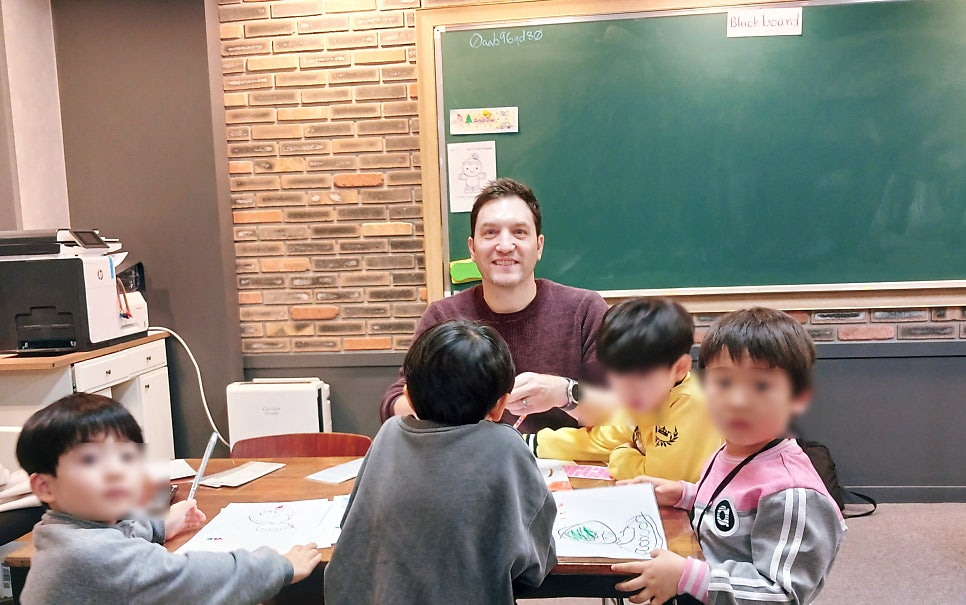
Mentoring
One clear goal for the day
immediate correction
re-try and improve
then the next mission is assigned
Language social skills
Language grows through interaction: asking questions, listening, responding, cooperating, and presenting.
Metacognitive routines (self-check habits)
Examples:
“What I often got wrong today / one corrected sentence / what I will do next time”
“My opinion + one reason from the text”
“Redo mistakes by explaining why, not by memorizing answers”
7) The Grade 1–4 learning journey (easy explanation)
Grade 1: Make English feel familiar and safe
Goal: listen and respond, repeat short sentences, enjoy participation
Focus: comfort + routine, not pressure
Grade 2: Build reading basics and steady habits
Goal: read slowly but correctly, start understanding simple sentences
Focus: learning to self-correct, forming a reading routine
Grade 3: The most important turning point
This is often the year parents feel most anxious. Ability gaps become obvious.
Unique focuses on stabilizing the child’s foundation:
If the child can read but doesn’t understand well → comprehension training
If the child understands but cannot speak smoothly → sentence “frames” for speaking
If the child speaks but accuracy is weak → focused accuracy + repetition
Grade 3 works best with personalized assignments rather than fixed pacing.
Grade 4: Start preparing for higher-level learning (not just memorizing grammar)
Goal: handle longer texts, connect and expand sentences, become more independent
Focus: being able to explain ideas (summary + reason), which becomes crucial later
8) Parent Q&A (expanded)
Q1. How do you decide my child’s level?
A. We combine initial diagnosis, class performance, and learning logs. A single paper test is not the main decision.
Q2. Is the level fixed?
A. No. We adjust based on performance and growth.
Q3. Do you still do tests?
A. Yes, when needed. But tests are used as a guide, not as a label.
Q4. Will my child lose confidence if placed lower?
A. We do not run levels as a public ranking system. Students focus on their own mission and improvement.
Q5. Will homework become too much (because it’s 5 days a week)?
A. We prioritize efficiency. We assign short, targeted tasks rather than large amounts.
Q6. What can I do at home?
A. You do not need to teach. Small routines are enough:
Ask “What was your goal today?” instead of “What did you do today?”
If your child makes a mistake, say “Try once more” instead of giving the answer immediately
Keep a short daily reading routine (10–15 minutes)
Q7. My child is shy. Is speaking required?
A. We build speaking step by step: 1:1 → pair → small group → short sharing.
Q8. Will this prepare my child for future school tests?
A. Yes. Strong reading comprehension, sentence building, and self-check habits make later test preparation much more effective.
9) What parents can expect from Unique’s management
We explain your child’s strengths and gaps by skill area
We assign the next step as a clear, manageable mission
We track progress through performance and learning logs
We help your child move up without gaps, at the right pace